A Comprehensive Guide to the Different Kinds of Honey Available
Honey is an amazing material with a wide array of types, each influenced by the floral resources where bees collect nectar. Comprehending these differences can enhance culinary experiences and disclose potential health and wellness benefits. From the moderate taste of clover honey to the distinctive properties of Manuka honey, the choices vary. Yet, the nuances of each kind timely inquiries about their unique features and uses. What might one uncover about the globe of honey?
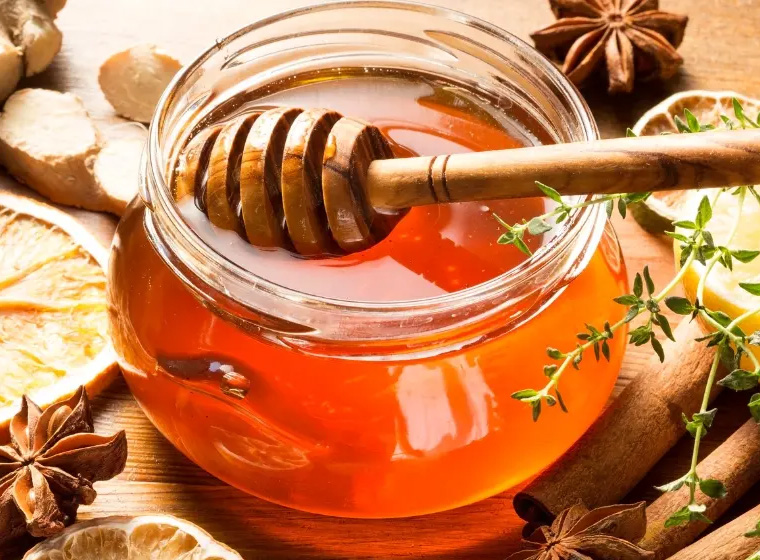
Recognizing Honey: The Basics of Its Structure
Honey, a natural sweetener generated by , is primarily made up of sugars, water, and different organic substances. The primary sugars discovered in honey are fructose and glucose, which add to its sweetness and energy-boosting residential properties. Usually, honey includes about 17-20% water, with variants depending on the kind and processing approaches. This wetness content plays a substantial function in honey's service life and conservation.
Along with sugars and water, honey consists of trace amounts of vitamins, minerals, and antioxidants, which can differ widely based upon the floral resources that the browse through. These organic substances add to honey's prospective health advantages, including antimicrobial properties. The special composition of honey is influenced by variables such as the region, environment, and the specific plants available to the , making it a complex and interesting substance that prolongs past mere sweet taste.
Popular Kind Of Honey and Their Special Tastes
An abundant variety of honey kinds exists, each offering distinct flavors and features influenced by the nectar sources seen by bees. Clover honey, understood for its light shade and mild, wonderful preference, is just one of the most prominent selections. Wildflower honey, on the various other hand, boasts a complicated taste profile, varying considerably relying on the seasonal blooms in the region.
For those seeking a bolder taste, buckwheat honey attracts attention with its dark color and robust, malty flavor. Orange blossom honey, stemmed from citrus trees, provides a delicate and fruity sweetness, making it a preferred in teas and treats.
In addition, lavender honey offers a distinct floral scent, best for exquisite applications. Each kind of honey not just boosts cooking creations however likewise showcases the diverse ecosystems that sustain populations, reflecting the elaborate connection between flora and fauna.
Regional Varieties: Honey From Worldwide
Regional honey ranges reflect the diverse landscapes and floral resources across the world, each adding one-of-a-kind flavors and features. wildflower honey. For circumstances, Manuka honey from New Zealand is renowned for its robust preference and anti-bacterial residential or commercial properties, obtained from the nectar of the Manuka tree. On the other hand, Mediterranean thyme honey uses an aromatic, natural profile, catching the essence of the sun-drenched areas where thyme embellishments
Relocating To North America, clover honey is widely preferred for its light sweetness and flexibility, frequently utilized in daily cooking. At the same time, the abundant, dark buckwheat honey from the United States is commemorated for its solid flavor and high antioxidant web content.
In Asia, jasmine honey from Thailand gives a fragile floral fragrance, showing the local vegetation. Each regional range not only showcases the splendor of its atmosphere but additionally links societies with their distinctive culinary uses and practices.
The Health And Wellness Conveniences of Different Honey Types

Culinary Uses: Incorporating Honey Into Your Recipes
Integrating honey right into cooking productions offers a natural way to improve tastes and sweetness. From sweetening beverages to adding depth in baking and glazing meats and vegetables, honey serves flexible functions in the kitchen area. Discovering these usages can elevate both easy and complicated meals alike.
Sweetening Beverages Naturally
Exactly how can honey improve the flavor of beverages while supplying an all-natural sweet taste? Honey acts as a functional sugar, raising different beverages with its special flavor profiles. From natural teas to shakes, honey can match and enhance the natural active ingredients, using a deepness that granulated sugars usually do not have. Various kinds of honey, such as clover or wildflower, can pass on unique taste notes, allowing for creative customization in beverages. Furthermore, honey liquifies quickly, making it a perfect selection for chilly drinks where conventional sugar may clump. Using honey not just sweetens but likewise adds potential wellness advantages, such as antioxidants and soothing homes. As a natural choice, honey enhances beverages while advertising a wholesome approach to flavor improvement.
Honey in Cooking

Cooking with honey introduces a rich intricacy to a variety of recipes, boosting both flavor and appearance. As a natural sweetener, honey not just offers sweet taste but likewise adds moisture, causing tender baked products. Its varied taste profiles, relying on the type utilized, can boost breads, cakes, and cookies. When replacing honey for sugar, bakers ought to minimize the fluid in the dish somewhat, as honey includes extra wetness. In addition, honey's level of acidity can enhance the efficiency of cooking soft drink, promoting a desirable rise. This flexibility permits for creative experimentation, allowing bakers to instill one-of-a-kind tastes into standard dishes. On the whole, incorporating honey right into cooking deals an opportunity to explore new dimensions in cooking productions.
Polishing Meats and Veggies
Honey works as an outstanding glaze for meats and vegetables, adding an unique sweet taste that boosts the total taste account of recipes. When used as a polish, honey caramelizes beautifully, creating a glossy coating that not just looks enticing yet additionally intensifies the preference. Popular selections consist of honey mustard polish for hen, which incorporates the sweet taste of honey with the tang of mustard, or a honey-soy mixture for polishing baked veggies. Furthermore, honey can be infused with herbs or spices, such as rosemary or chili flakes, to create one-of-a-kind taste mixes. This adaptability makes honey an invaluable ingredient in cooking applications, enabling home cooks and chefs alike to elevate their meals with minimal effort.

Tips for Finding and Storing Honey Properly
When selecting and storing honey, it is important to take into consideration both top quality and conservation to ensure the finest taste and wellness advantages. Select raw, unfiltered honey, as it preserves more nutrients and enzymes contrasted to refined selections. Try to find honey that is identified with its floral source, which can indicate its unique flavor account and possible wellness buildings.
For storage space, select a great, dark location, away from direct sunlight and warmth sources, to protect against deterioration. Glass containers are more effective, as they do not engage with honey, unlike some plastic choices. Ensure the lid is snugly secured to maintain moisture out, as honey is hygroscopic and can soak up water, bring about fermentation. Prevent refrigerating honey, as it can crystallize. By complying with these guidelines, the high quality and longevity of honey can be effectively maintained, ensuring a delightful experience with every usage.
Often Asked Questions
Can Honey Expire or Go Bad Over Time?
Honey does not expire in the standard feeling. Its low wetness web content and natural preservatives add to its longevity, enabling it to stay safe to consume for many years, though formation may happen with time.
What Should I Look for in Organic Honey?
When choosing natural honey, one need to examine the packaging for certification tags, look for pureness without ingredients, and consider the floral source. Furthermore, reviewing the shade and consistency can indicate high quality and quality.
How Can I Tell if Honey Is Pure?
Figuring out honey's pureness entails observing its quality, uniformity, and preference (canadian honey). In addition, performing a water examination or looking for labeling certifications can further validate credibility, making certain that the honey continues to be without ingredients or fabricated active ingredients
Is Honey Suitable for Vegan Diets?
The inquiry of honey's viability for vegan diet regimens usually emerges. Numerous vegans avoid honey because of its pet origin, choosing plant-based alternatives. Others may pick honey, watching it as a lasting product when ethically sourced.
What Are the Environmental Impacts of Honey Manufacturing?
The ecological effects of honey production consist of environment loss, pesticide exposure to , and prospective declines in bee populaces. Lasting techniques are necessary to decrease these results and promote ecological equilibrium while preserving honey production.